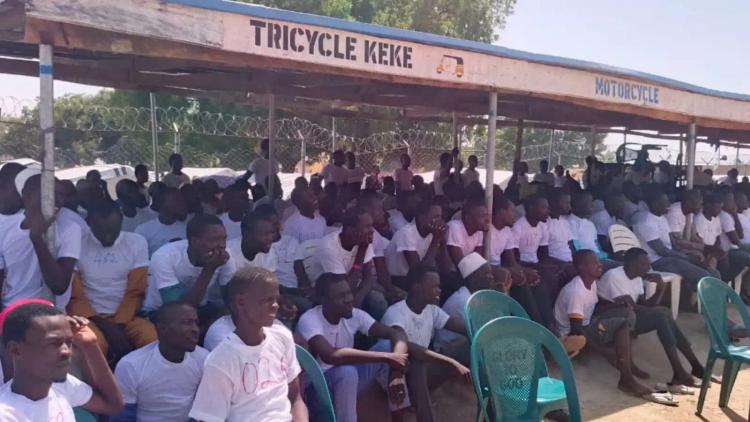
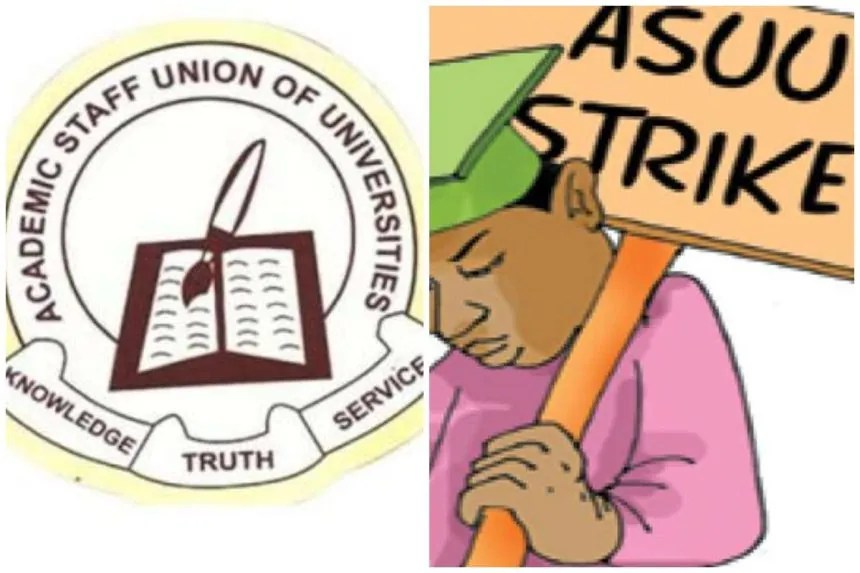
Following the nationwide strike called by the President of the Academic Staff Union of Universities (ASUU), Prof. Chris Piwuna to press home their demands from the Federal government, the Ibadan zone of the Union has mobilised it’s members to stage the protest today, Tuesday.
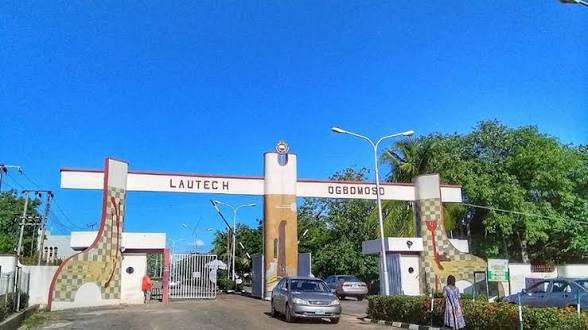
This was made known by the Zonal Coordinator of the Union, Dr. Biodun Olaniran, while addressing journalists at the ASUU Secretariat, University of Ibadan on Monday.The Zonal Union comprising the University of Ibadan, Ibadan; University of Ilorin, Ilorin; Ladoke Akintola University of Technology, Ogbomoso; Osun State University, Osogbo; Kwara State University, Malete; and Emmanuel Alayande University of Education, Oyo), lamented that staff salaries.
Olaniran maintained that the protest was necessitated by the Federal Government’s piecemeal and frustrating handling of unresolved matters affecting Universities across Nigeria.He noted that tertiary institutions across the country are enjoy relative peace in the past few months as a result of hope that the administration of President Bola Tinubu would honour its promises and resolve their age-long demands.
The zonal branch lamented that while other countries steadily advance by allocating the UNESCO-recommended 15–26% of their national budgets to education, “Nigeria continues to fall short—barely reaching 7% in the 2025 budget.
This underfunding has severely affected the quality of education, limiting access, resources, and the ability of our institutions to compete on a global scale. Notably, Nigeria lags behind nations like Kenya and Ghana, which allocate 20% and 13% of their budget respectively.Olaniran disclosed that parts of ASUU’s demands include “Re-negotiation of the 2009 ASUU-FGN Agreement; Sustainable funding/Revitalization of universities; University Autonomy Victimization of our members in LASU, KSU, and FUTO; Outstanding 25-35% salary areas and Third-Party Deductions; Promotion Arrears for over 4 years; Non payment and mainstreaming of Earned Academic Allowance in Public Universities.“Having remained virtually stagnant for the past sixteen (16) years, despite the clear understanding that the 2009 renegotiated agreement would be reviewed every three (3) years.
“Unfortunately, it took the government a staggering eight (8) years—until 2017—to even constitute renegotiation committee for this purpose. Since then, successive committees, including the Wale Babalakin-led Joint Renegotiation Committee, the Professor Munzali Jubril-led Committee, and later the Late Emeritus Professor Nimi Briggs-led Committee, have been set up to engage ASUU.
“The outcome of these engagements was a draft agreement reached in 2021 between ASUU and the Nimi Briggs-led Committee. However, despite the fact that this committee was appointed by the government itself, Government have refused to sign the resulting draft.“Alarmingly, no Nigerian public university ranks among the top 1000 globally.
The physical decay of lecture rooms and the deplorable state of student accommodations further underscore the crisis. Our union’s demands are clear: there must be a deliberate and purposeful commitment to adequate funding in order to rescue our institutions from impending collapse”.The persistent erosion of university autonomy by the government was also on the front burner of the ASUU demands, noting that “it has strongly opposed the unlawful dissolution of Governing Councils in public universities, even in instances where no misconduct has been reported and the councils have not completed their statutory tenure.
“Instead of addressing these concerns, the Tinubu-led administration hastily reconstituted the councils, further deepening the crisis by appointing political allies, supporters, and godfathers as members and Pro-chancellors of most of the new councils”.Legislative aide recruitment
“Though the Federal Government earlier this year released the promised ₦50 billion meant for ASUU, contrary to the agreement that the funds were exclusively for academic staff, the amount was distributed among all university staff.
“This resulted in a shortfall, with ₦10 billion still owed to academic staff. Furthermore, the mainstreaming of EAA—originally slated to commence in 2022—has yet to be implemented in federal and most state universities, rendering the commitment unfulfilled”, the Union said.
About the Author